Learn about the different types of snow crystals and how they form and change over time within the snowpack
Introduction
Have you ever wondered what makes up the snow beneath your skis or board? While we often think of snow as just frozen water, it's actually a complex and ever-changing material made up of distinct crystal types. Understanding these snow crystals is like learning the alphabet before reading – it's fundamental to understanding avalanche safety and snowpack stability.
Snow Metamorphism Overview
Think of the snowpack as a layer cake, with each snowfall adding a new layer on top. Just like a cake left out in different conditions, these layers don't stay the same – they change based on temperature, humidity, and pressure. This process, known as metamorphism, transforms our pristine snowflakes into four main types of snow crystals you'll commonly find in the snowpack.
The Four Main Crystal Types
Rounds: The Stable Building Blocks
First, we have rounds, which are exactly what they sound like – rounded snow grains that form when the original snowflakes break down and bond together. These are generally good news for stability, as they tend to create strong connections with their neighbors, much like a bunch of marbles glued together.
Facets: The Troublemakers
Next are facets, the troublemakers of the snow crystal world. These angular, sugar-like crystals form when there's a significant temperature difference within the snowpack. They're notorious for creating weak layers that can lead to avalanches, acting like ball bearings between layers of snow.
Surface Hoar: The Beautiful Danger
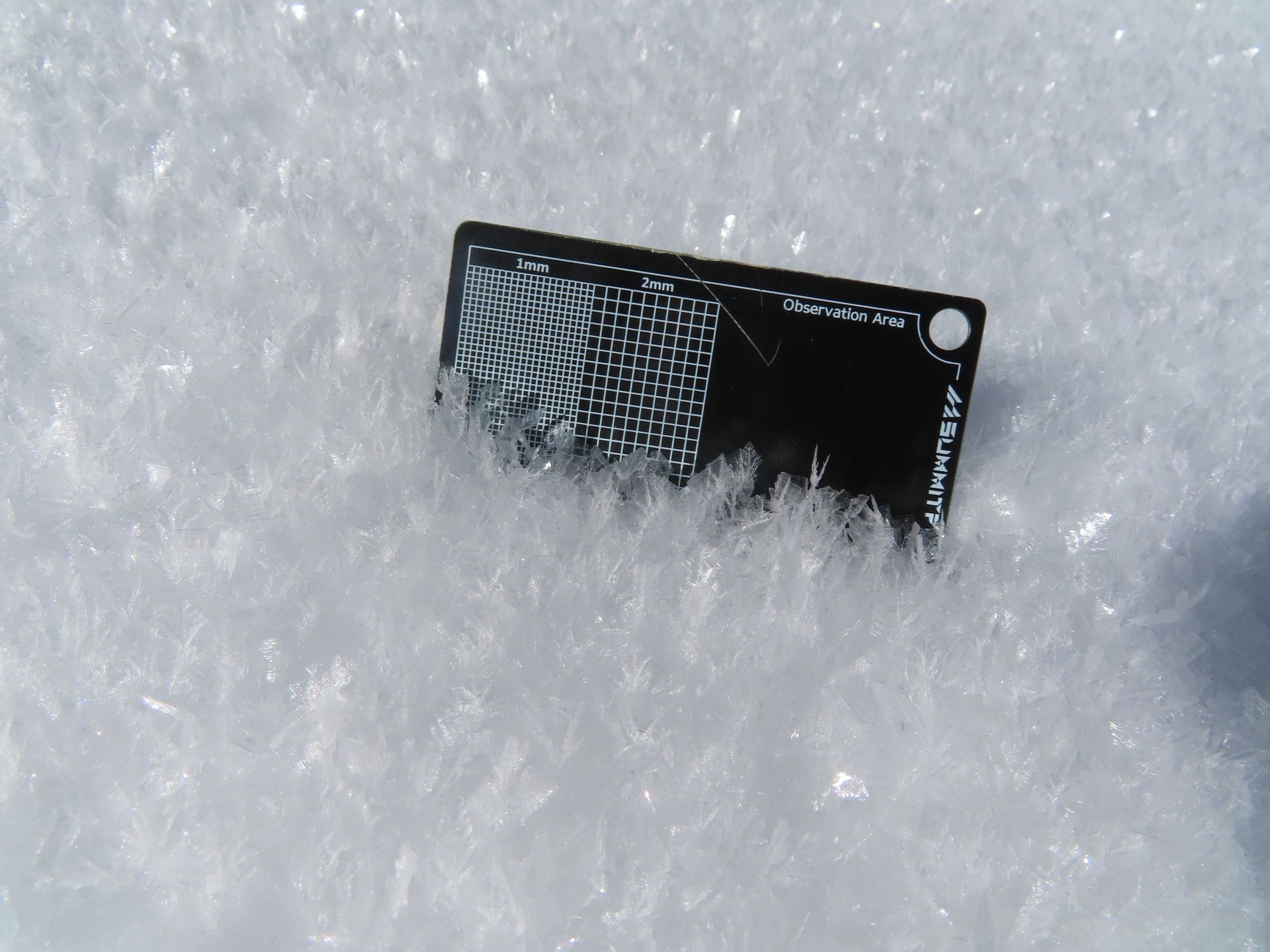
Surface hoar, the winter equivalent of morning dew, forms during clear, cold nights when water vapor in the air crystallizes directly onto the snow surface. These feathery crystals might look beautiful sparkling in the morning sun, but when buried by new snow, they create a notorious weak layer that can persist for weeks or even months.
Depth Hoar: The Deep Threat
Finally, there's depth hoar, the largest and most angular of snow crystals. These form near the ground when a sharp temperature gradient exists through the snowpack. They look and feel like sugar, and unfortunately, they can create deep instabilities that plague the snowpack all season long.
Importance for Backcountry Travel
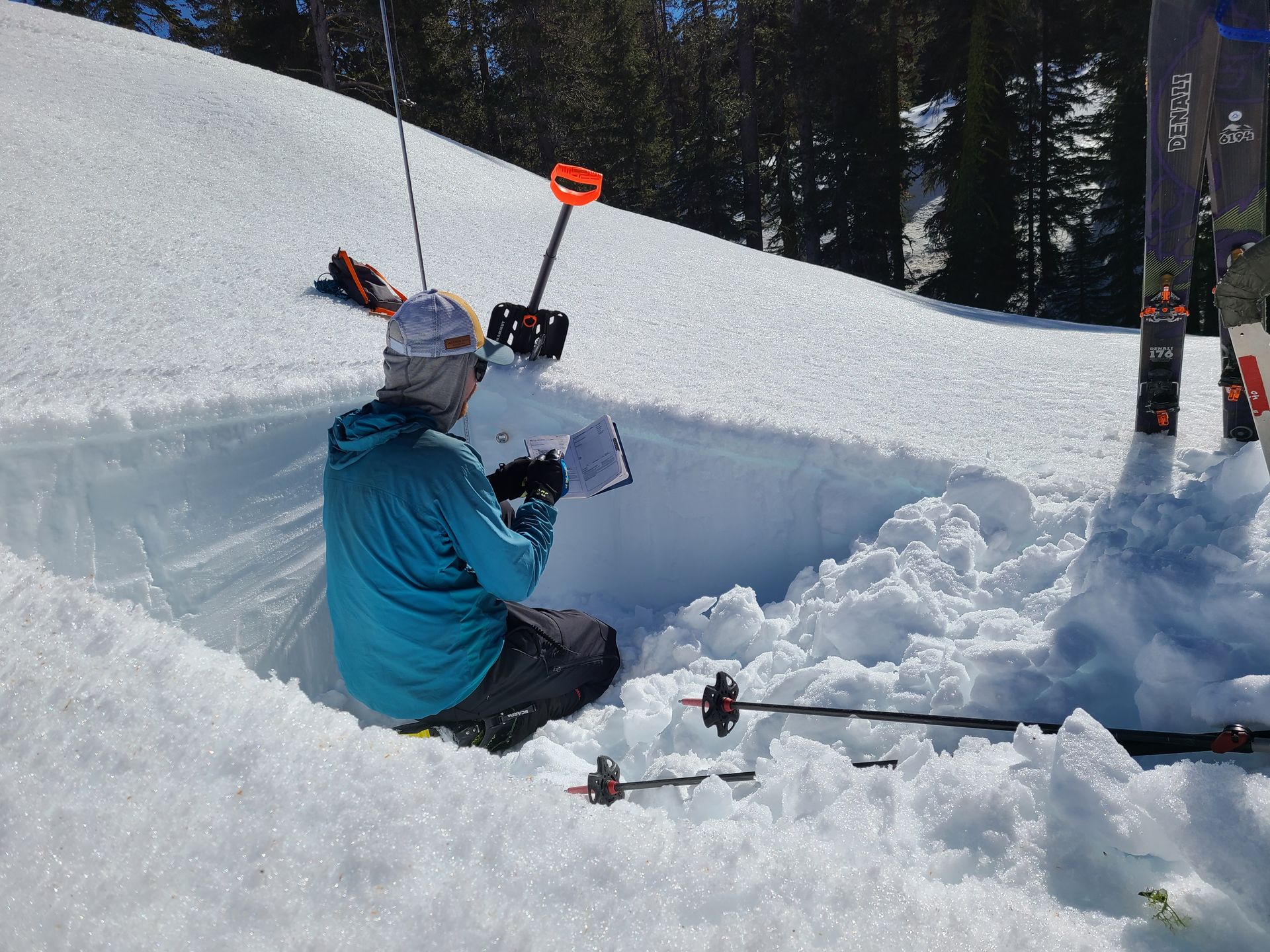
Understanding these crystal types and how they form is crucial for anyone venturing into the backcountry. When you dig a snow pit or read an avalanche forecast, you're essentially playing detective with these different crystal types. Each has its own story to tell about the snowpack's history and current stability.
Getting Started with Crystal Identification
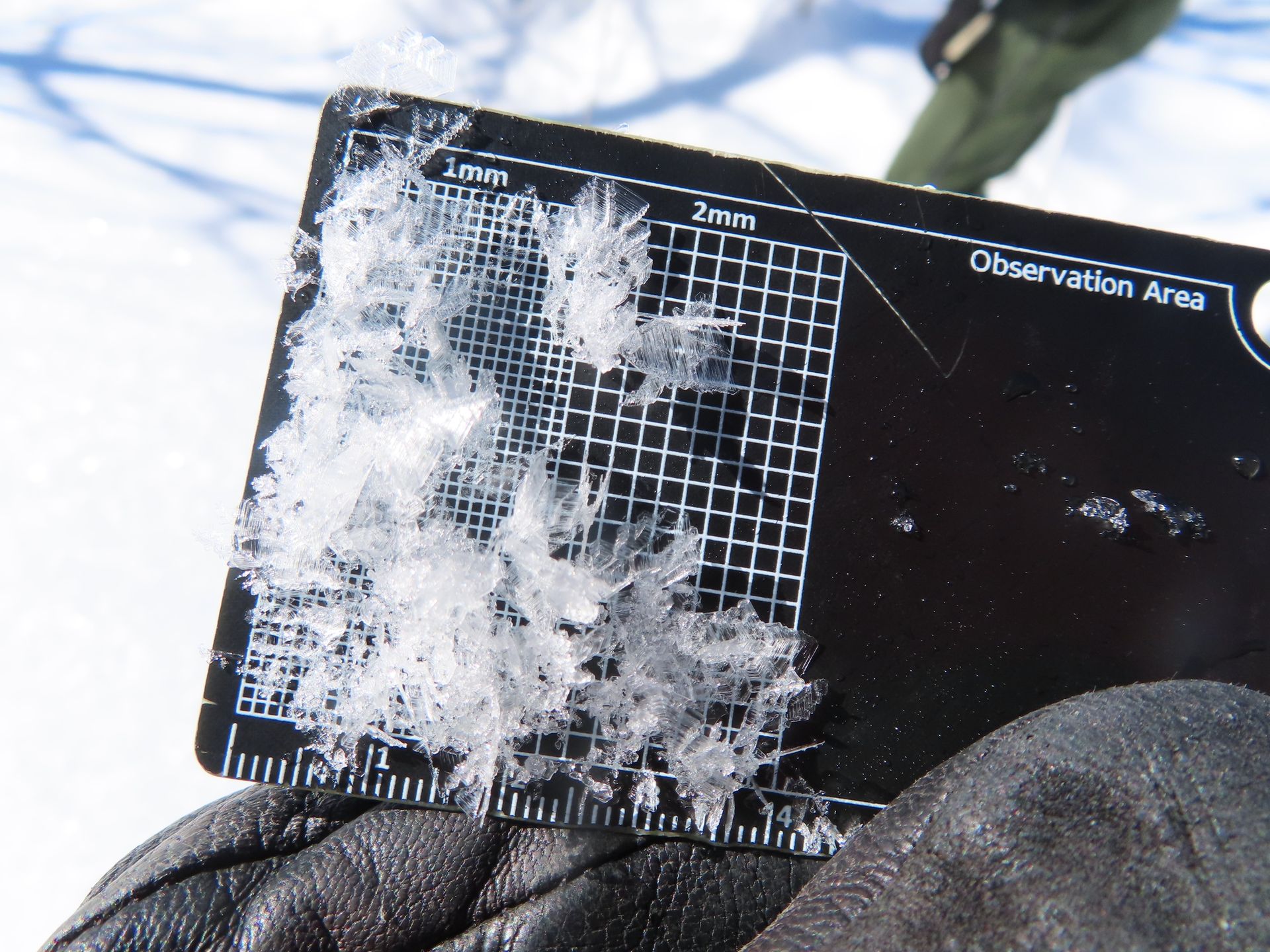
The good news is you don't need to be a snow scientist to start identifying these crystals. A simple magnifying loupe and some basic knowledge can help you begin recognizing these different grain types. Start by looking at obvious layers in a snow pit wall – the differences between round grains and faceted crystals are often visible even to the naked eye.
The Dynamic Nature of Snow
Remember, snow crystals are dynamic – they're constantly changing based on their environment. This ongoing metamorphism is why the snowpack can be stable one day and dangerous the next. By understanding these basic building blocks, you're taking the first step toward making better decisions in avalanche terrain.
Essential Tools and Tips
For those just starting to learn about snow crystals, here are some practical tips:
- Carry a magnifying loupe in your pack – an inexpensive but invaluable tool for crystal identification.

2. Practice identifying grains on the surface before digging pits – you can often find surface hoar or facets right on top of the snow.
3. Take an avalanche course – instructors will help you identify different crystal types and understand their implications for stability.
4. Keep a small crystal card (essentially a grid card) in your kit to help gauge crystal size and type.
Conclusion
The next time you're out in the snow, take a moment to look closely at these fascinating crystals. They're not just beautiful – they're telling you a vital story about the snowpack you're traveling on. Understanding this story could one day make the difference between choosing a safe route and exposing yourself to avalanche danger.
Remember, snow crystal identification is just one piece of the avalanche safety puzzle, but it's an essential foundation for understanding how and why avalanches occur. Stay curious, keep learning, and always approach the backcountry with respect for these complex and dynamic snow crystals beneath your feet.